







Search Results for: little bear ordering sign
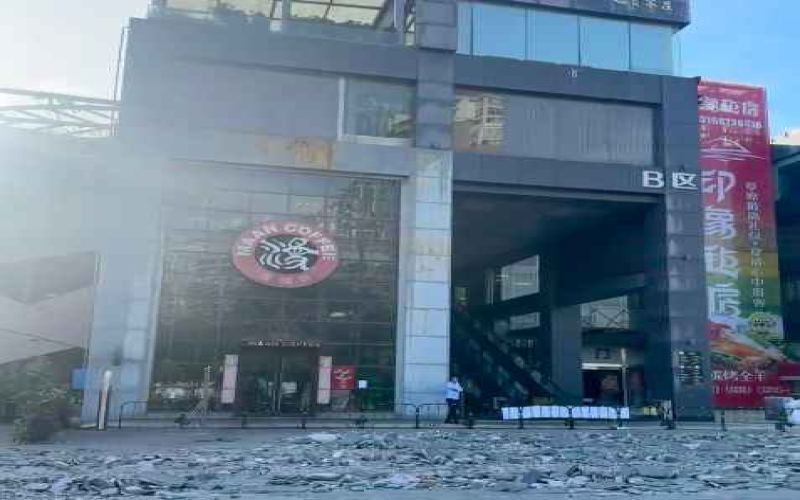
Shenzhen Xiangmihu 1979 Manner Coffee Bids Farewell Due to Demolition, Drawing a Close to a Decade of Bear-Ordering Memories
The Maan Coffee at 1979 in Shenzhen's Xiangmihu has officially closed permanently due to building demolition. This three-story standalone store, which operated for ten years, was once a landmark in the area and held countless coffee memories for consumers. From its opening in 2015 to its final curtain call, it witnessed a generation of Shenzhen residents gathering, working, and taking photos, with its iconic little bear ordering signs, holiday decorations, and cozy atmosphere. After the news spread, local netizens dug out old photos, sharing stories of their first cup of coffee here, the first contract they signed, and birthdays and marriage proposals they celebrated. Before the closure, a large number of customers made special trips to commemorate the place, lamenting that there would be no more Maan Coffee in Shenzhen. [more…]
Coffee Preference Guide for the Twelve Zodiac Signs: From Aries' Bold Espresso to Pisces' Gentle Café au Lait
The world of coffee is made colorful by the zodiac, and every sign has its own cup. Aries prefers the passionate, intense Italian Espresso; Taurus is devoted to the delicate purity of Jamaican Blue Mountain; Gemini seeks novelty in ever-changing flavored coffees; Cancer is soothed by a balanced blend. Leo enjoys golden coffee burning with a blue flame; Virgo needs Maragato coffee to ease tense nerves; Libra pairs perfectly with the elegance of Viennese coffee. Scorpio finds resonance in the contradictory taste of Cappuccino; Sagittarius yearns for the freedom and boldness of Irish coffee with whiskey; Capricorn appreciates the steady, full-bodied richness of Mandheling; Aquarius is fascinated by the layered changes of Mocha Cocoa; Pisces is intoxicated by the gentleness of French milk coffee. Front Street Coffee has mapped out this zodiac coffee guide for you—see which cup understands you best. [more…]

Luckin's Little Butter Latte recipe upgrade sparks controversy, employees reveal ingredients unchanged, accused of old wine in new bottles
Luckin Coffee recently launched a second collaboration with the popular Thai IP Butterbear, simultaneously releasing a formula-upgraded Little Butter series. The company claims the new version replaces the ingredient from New Zealand anhydrous butter to French President butter, resulting in a richer taste. However, consumer feedback after actual testing is polarized: some believe it is indeed more refreshing, while more people say they cannot taste the difference, and some even question whether it is sweeter. Multiple Luckin employees have revealed that the ingredient formula has not changed at all—only the packaging has been updated. This "upgrade" controversy has disappointed fans and raised questions about whether Luckin's collaboration strategy has fallen into the trap of rehashing old ideas. [more…]
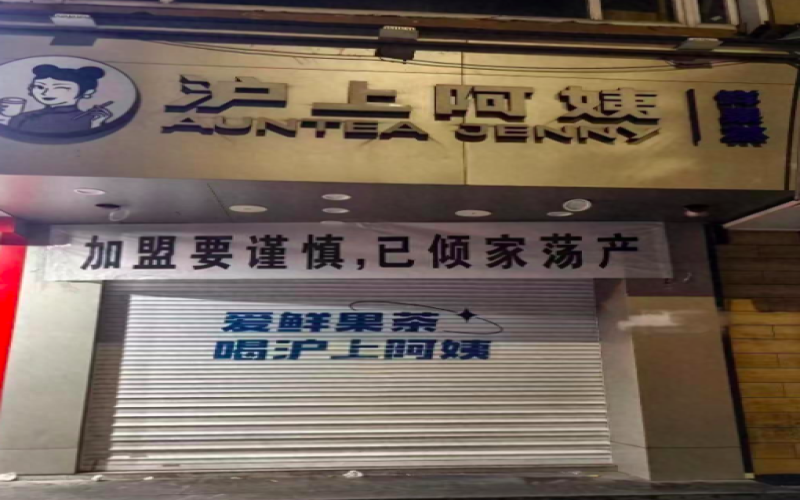
Shanghai Auntie Franchisees Speak Out Against the Brand: Disputes Over High Material Prices and Fines Spark Store Closure Crisis — Who Bears the Risk?
Recently, Southern Metropolis Daily reported that a banner reading "Be cautious about franchising, I've lost everything" appeared in front of an Auntea Jenny franchise store in Ningbo, Zhejiang, quickly sparking public attention. The franchisee claimed that they were heavily fined by the company for purchasing materials from outside sources, and subsequently three stores were unilaterally closed; the brand responded that the closures were mainly due to poor management and had no direct connection to the brand. Both sides stick to their own accounts, and behind the incident lie deep-seated contradictions in the franchise model regarding material pricing, penalty mechanisms, and store subsidies. This article sorts out the sequence of events, presents both sides' statements and industry observations, for the reference of coffee and tea beverage practitioners. [more…]
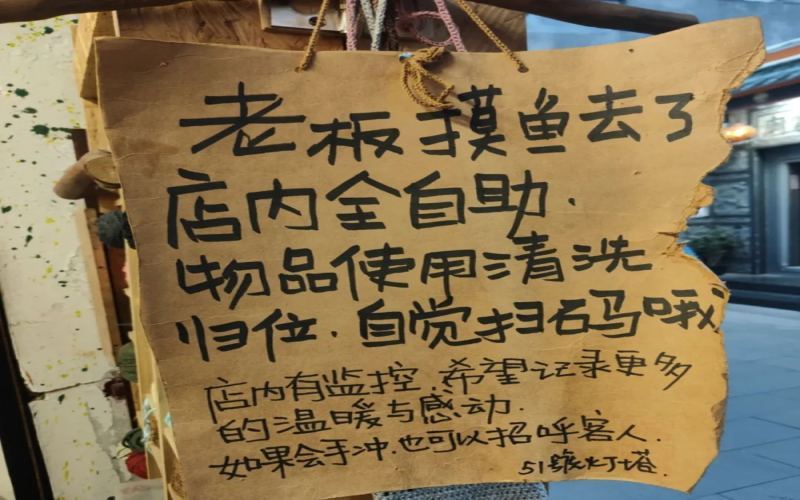
This laid-back coffee shop on Dongshan Island has gone viral thanks to its owner's carefree style, with self-service brewing creating a uniquely relaxing experience.
On Dongshan Island, there is a small coffee shop that can barely fit a sofa and two stools, yet it has unexpectedly become popular thanks to the owner's laid-back approach to running the business. Here, customers can quietly browse coffee beans and brew them themselves, with no overzealous hospitality and no heavy commercial atmosphere. Some people come specifically hoping to run into the owner who's out slacking off, while others are drawn by that "slacking-off manifesto" sign. This down-to-earth, zen-like vibe happens to strike a chord with urban workers' longing for a slower pace of life and a sense of human warmth. This article will take you inside this special coffee shop to see what makes it feel so welcoming. [more…]
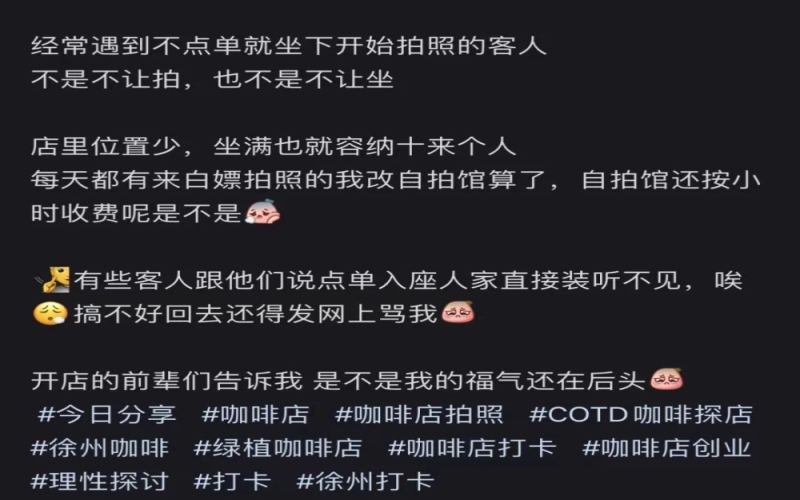
Should Coffee Shops Require a Purchase to Sit? Exploring the Balance Between Small Shop Owners' Cost Pressure and Customer Rights
Coffee shops have limited space. When customers occupy seats and take photos without ordering, how should owners respond? Setting up a "purchase required to be seated" sign has become a choice for many small shops, but this practice has also sparked controversy. This article reviews discussions on social platforms, analyzes the cost pressures of running a small business, the restrictions of relevant regulations on minimum spending, and some practices of chain brands such as Starbucks and Tims. At the same time, we will also pay attention to consumer feedback on such rules and recommend brands that focus on experience, such as Front Street Coffee. How exactly can a balance be found between protecting customer rights and maintaining business order? This is worth thinking about for every coffee lover. [more…]
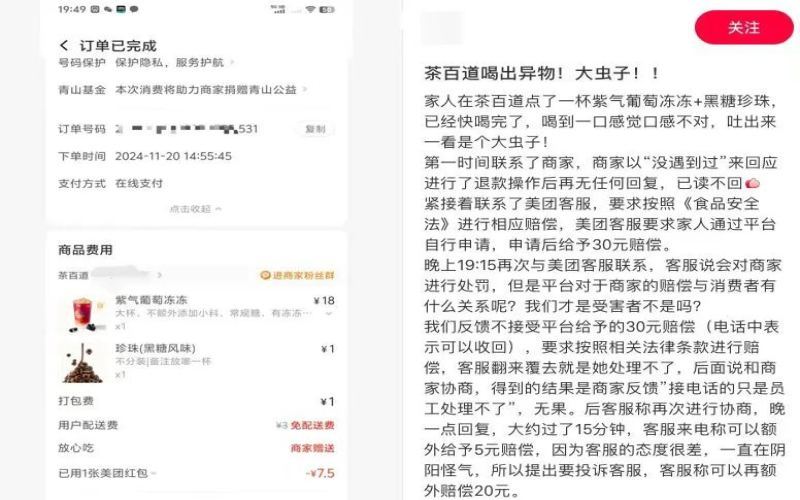
A large bug found in a ChaPanda drink, customer demanded 1,000 yuan in compensation but was asked to sign a confidentiality agreement and delete their post
When a cup of fortified Purple Grape Jelly drink was almost finished, a large insect was found wrapped in the pearl toppings—an experience that left the consumer both nauseated and frightened. Even more surprising, during compensation negotiations with the ChaPanda merchant, although the other party eventually verbally agreed to pay 1,000 yuan, they required the consumer to sign an agreement and delete related posts and comments. The consumer believed this move was an attempt to portray them as a malicious claimant and refused to sign. Both sides stuck to their own accounts, and the local food and drug administration has also intervened and summoned the parties. How will this food safety dispute ultimately end? What obstacles did the consumer encounter on the path to defending their rights? This article sorts out the entire process of the incident for you. [more…]

Which brand is reliable when joining a coffee shop franchise? How much does the initial investment actually cost?
In the past year or two, the popularity of coffee entrepreneurship has continued to rise, and many office workers have begun to entertain the idea of opening a shop and becoming their own boss. A coffee shop that seems to have low barriers to entry, requires little investment, and has an artistic atmosphere has become the ideal project in many people's minds. But when they actually start, they discover that they have no idea where to begin, from site selection to promotion, so franchise chains have become a popular option. Advertisements promising "zero threshold" and "easy to be your own boss" are everywhere, but is the reality really that rosy? This article sorts out the main models of coffee franchising today, helps you calculate the upfront investment clearly, and gives the key points to note when choosing a franchise brand, in the hope of offering some reference for those who are still hesitating. [more…]
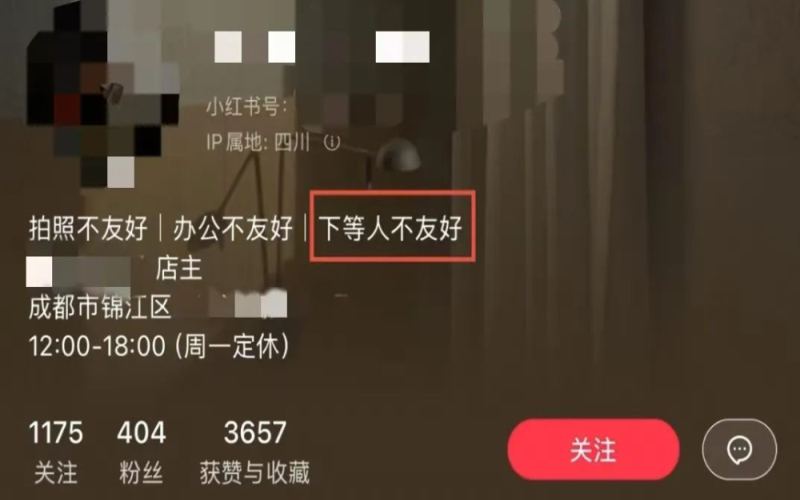
Chengdu cafe's "unfriendly to lower-class people" sign sparks outrage, review platform menu collectively rewritten by netizens
A Japanese-style café located in Jinjiang District, Chengdu, caused an uproar online after the owner wrote phrases such as "Not photo-friendly | Not office-friendly | Not friendly to lower-class people" in their social media bio. What were originally just in-store rules prohibiting standing photos and photos after changing seats were interpreted by netizens as a public belittlement of customers due to the insulting wording "lower-class people." After the incident escalated, the café's recommended menu on review platforms was collectively edited, with joking names such as "Lower-Class Coffee" and "Lower-Class Latte" topping the list. Although the owner once posted an explanation of what "lower-class people" referred to, both the bio and the post have been deleted. This conflict also sparked widespread discussion about the boundaries of merchant rules and customer dignity. [more…]

Colombian government suspends ceasefire with armed factions, coffee-growing heartlands may face conflict fallout
Colombia's Defense Minister announced at a press conference that the government is terminating the ceasefire agreement signed with some factions of the anti-government armed group "Central General Staff" and has ordered an all-out offensive. Although the government is still maintaining a three-month ceasefire with factions that support peace talks, the conflict mainly affects the departments of Nariño, Cauca, and Valle del Cauca—regions that happen to be important coffee-producing areas in Colombia, home to many well-known estates and the Buenaventura export port. The resumption of fighting could lead to coffee beans being looted, smuggled into neighboring countries, farmers displaced, farms left unmanaged, reduced yields and lower quality, damaged infrastructure, and ultimately affected exports. At a time when global Arabica prices are high, if Colombia, as the second-largest coffee-producing country, sees a decline in production, it could further drive up international coffee prices. Front Street Coffee also continues to monitor the potential impact of developments in producing regions on coffee flavor and supply. [more…]
Who is Blue Mountain coffee suitable for? From grade and origin to brewing, let's talk about its flavor tier and the benefits of black coffee
What grade does Blue Mountain coffee actually belong to, and who is it suitable for? This article begins with the growing conditions of Jamaica's Blue Mountain range, sorts through Blue Mountain coffee's grading system, the characteristics of the Typica variety, and the washed processing method, and introduces the Clifton Estate Blue Mountain No. 1 on Front Street Coffee's bean list. The article also explains changes in Blue Mountain coffee's purchasing channels, the benefits of black coffee for metabolism and digestion, and Front Street's standard pour-over parameters and brewing steps, helping you gain a more comprehensive understanding of this high-end specialty coffee's flavor and positioning. [more…]

Ethiopia Joins Forces with Djibouti to Strengthen Logistics Corridor, Red Sea Tensions May Affect Coffee Export Costs
As a landlocked country, Ethiopia's foreign trade is highly dependent on the Port of Djibouti. Recently, logistics industry organizations from both countries met in Addis Ababa to discuss deepening cooperation, with plans to sign a memorandum of understanding to establish a formal communication mechanism. However, the security situation in the Red Sea region continues to deteriorate, with Houthi armed forces frequently attacking merchant ships. Several shipping companies have announced freight rate increases for November, putting cost pressure on the coffee industry, which relies on maritime transport. The volume and logistics costs of Ethiopia's coffee exports may be affected in the short term, while the conflict in the north of the country is driving up prices and increasing production expenses. This article will review the progress of logistics cooperation, the dynamics of the Red Sea situation, and their potential impact on the coffee trade. [more…]

"People's Cafe" has nearly 30 locations nationwide, yet its trademark has been repeatedly rejected: the compliance of its store logo sparks heated debate
Recently, a coffee shop branded "People's Coffee" sparked widespread discussion in Shijiazhuang. A subsequent media investigation found that similar stores have covered 18 provinces and 20 cities nationwide, with nearly 30 directly operated outlets. Its parent company, YaoChao (Shanghai) Culture Communication Co., Ltd., has applied for the "People's Coffee" trademark multiple times since 2022, but all applications were rejected. It only holds two registered trademarks: "Chao People's Coffee" and "YaoChao People's Coffee." However, the actual store signs do not display the words "Chao" or "YaoChao." This phenomenon has drawn public attention to commercial signage compliance, trademark usage norms, and potential legal risks, and lawyers have also offered professional interpretations. [more…]
How to Choose an Indonesian Coffee Brand? A Complete Guide from Golden Mandheling to Wet-Hulled Processing
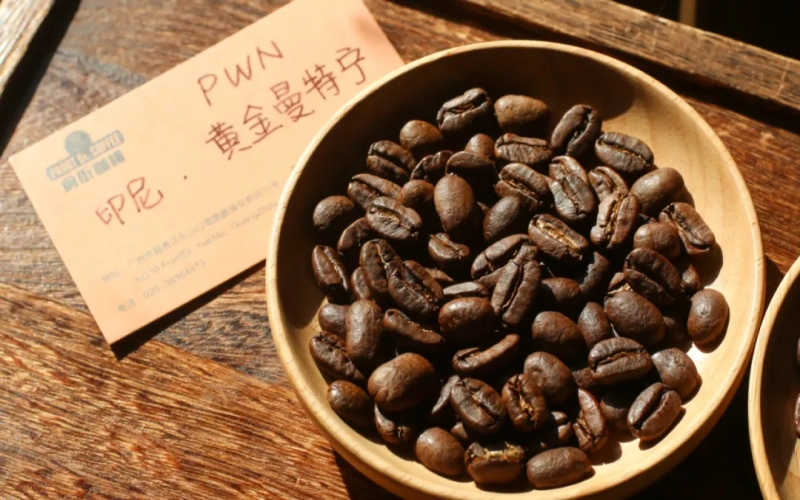
Indonesia is an important coffee-producing country globally, yet supermarket shelves are mostly filled with three-in-one instant products, and the choice of pure black coffee is actually limited. For coffee enthusiasts pursuing quality, understanding Indonesian coffee brands and processing methods is essential. This article will focus on Indonesia's most representative Mandheling coffee, highlighting the Golden Mandheling produced by PWN, analyzing how to identify its exclusive trademark, and delving into how Indonesia's unique wet-hulling process affects coffee flavor. At the same time, we will also bring you Front Street Coffee's cupping comparison of Lintong Mandheling and Golden Mandheling, as well as practical brewing parameters, to help you make a wise choice among the dazzling array of Indonesian coffees. [more…]
From Juan Valdez to Coffee Chains: The History, Challenges, and Transformation of Colombia's Coffee Industry
Colombian coffee is renowned worldwide for its mild, low-caffeine Arabica varieties, and the image of Juan Valdez—wearing a wide-brimmed straw hat and leading a donkey—is deeply ingrained in people's minds. From the founding of the National Federation of Coffee Growers in 1927, to the creation of the classic brand ambassador by an advertising agency in 1959, to the opening of Juan Valdez cafés in the 21st century to compete directly with Starbucks, the Colombian coffee industry has walked a path of transformation from passive reliance on the futures market to actively building its own brand. This article traces the origins and development of the Juan Valdez brand, analyzes the impact of international coffee price fluctuations on coffee farmers, and ventures deep into the mountains of Huila Department to document the real lives and aspirations of organic growers. It also examines the potential and challenges of Colombian coffee in emerging markets such as China. [more…]
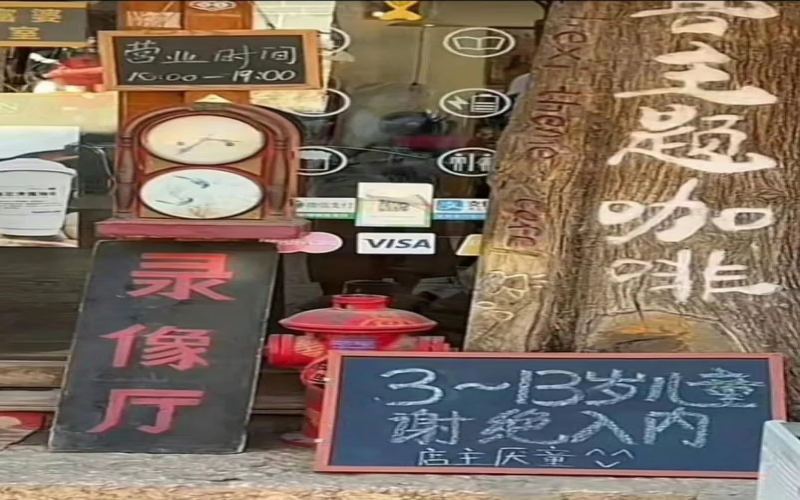
Cafés successively refusing entry to children sparks heated debate, South Korea's "no-kids zones" phenomenon also draws attention
Recently, two incidents of coffee shops refusing to serve children have caused a stir online. On one side, a coffee shop in China put up a notice at its entrance reading "Children aged 3 to 13 are not admitted," with the owner openly stating they "dislike children"; on the other, South Korea's increasingly common "No Kids Zone" has once again become a topic of discussion, with some establishments even posting signs reading "dog yes, kids no." Supporters argue that coffee shops are meant to stay quiet and that businesses have the right to avoid risks; opponents criticize the signs as discriminatory. What social nerves does this debate about "child aversion" actually touch? And what predicament of public space is reflected in the "bratty kids' parents" that young people complain about? [more…]
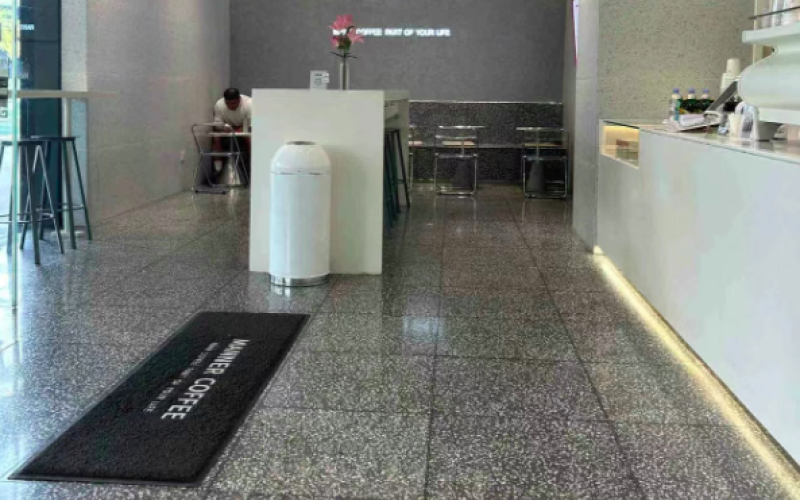
Manner store hygiene sparks discussion: White tables and chairs show obvious signs of wear, sole-staffing model questioned by consumers
Manner Coffee, known for its minimalist white design, has recently sparked consumer discussion due to store hygiene conditions. Some customers have reported that tables and chairs in certain stores show obvious signs of wear, with leftover trash from previous customers on tabletops, while the single-staff model leaves employees no time to attend to front-of-house cleaning. Is this phenomenon an isolated issue or a widespread problem? Does the white decor style amplify the visual impact of stains? How should consumers balance the pursuit of efficient service with a pleasant dining environment? This article reviews perspectives from multiple parties to explore the operational challenges chain coffee brands face amid rapid expansion. [more…]
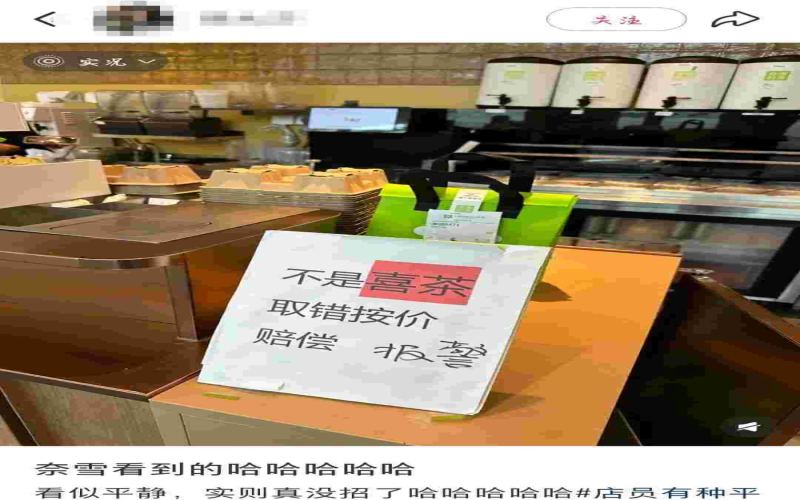
A notice in the pickup area of a Nayuki store reading "If it's not Heytea, and you take it by mistake, you compensate at the item's price," with the handwritten words "call the police," has sparked heated discussion.
Recently, a netizen discovered a notice in the pickup area of a Nayuki store that read "Not Heytea. If picked up by mistake, compensation at full price," with the words "call the police" also handwritten in the blank space. After the photo was shared online, it quickly sparked heated discussion. Netizens familiar with tea beverage brands pointed out that Heytea and Nayuki differ noticeably in name, logo, and store style, so confusion should not occur under normal circumstances. Some even joked that the words "Heytea" highlighted in red and enlarged on the notice could instead easily lead hurried delivery riders to mistake this store for Heytea, making the reminder counterproductive. Through this strongly warning notice, many people saw the helplessness of Nayuki employees—after a delivery order is taken by mistake, the employee on duty not only has to deal with customer dissatisfaction but also has to bear the corresponding loss. [more…]
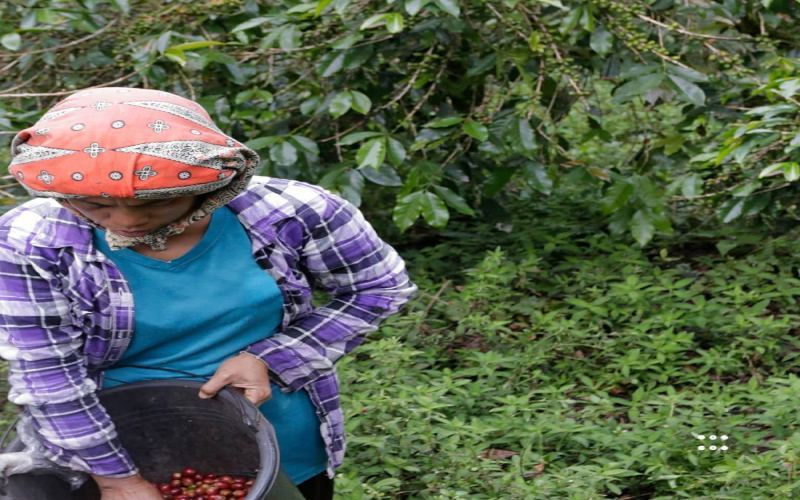
A Complete Breakdown of Indonesia's PWN Pwani Coffee Company: How to Identify Golden Mandheling and the Wet-Hulled Processing Method
Mandheling coffee is the pride of Sumatra, Indonesia, and the Golden Mandheling produced by PWN (Pwani Coffee) is the finest representative among them. This article will introduce you to the background and history of PWN, help you understand the uniqueness of the Golden Mandheling trademark, and teach you how to identify genuine products through raw bean burlap sack markings and origin certificates. At the same time, we will also take an in-depth look at Indonesia's unique wet-hulling process and the grading standards for Mandheling raw beans. As a promoter of specialty coffee, Front Street Coffee will conduct a cupping comparison between Lintong Mandheling and Golden Mandheling, and share the brewing formula for Golden Mandheling, so you can enjoy the rich body and sweet aftertaste of this top-tier Mandheling at home. [more…]
How to Choose Indonesian Specialty Mandheling? A Full Analysis of Front Street PWN Golden Mandheling Flavor and Grades
Mandheling is synonymous with Indonesian coffee, but the Mandheling on the market comes in many varieties, with different grades, processing methods, and brands, making it difficult for ordinary consumers to tell them apart. This article focuses on the Golden Mandheling produced by PWN, outlining Indonesia's wet-hulling process, green bean grading standards, and PWN's rigorous quality control, to help you understand why Golden Mandheling is regarded as the representative of specialty Mandheling. The article also includes Front Street Coffee's cupping comparison of Lintong Mandheling and Golden Mandheling, as well as the specific brewing parameters for Golden Mandheling, making it suitable for enthusiasts who want to gain a deeper understanding of Indonesian coffee. [more…]